Lordship's Flood Insurance Doesn't Follow the Street. It Follows the House.
October 1, 2026
October 1, 2026
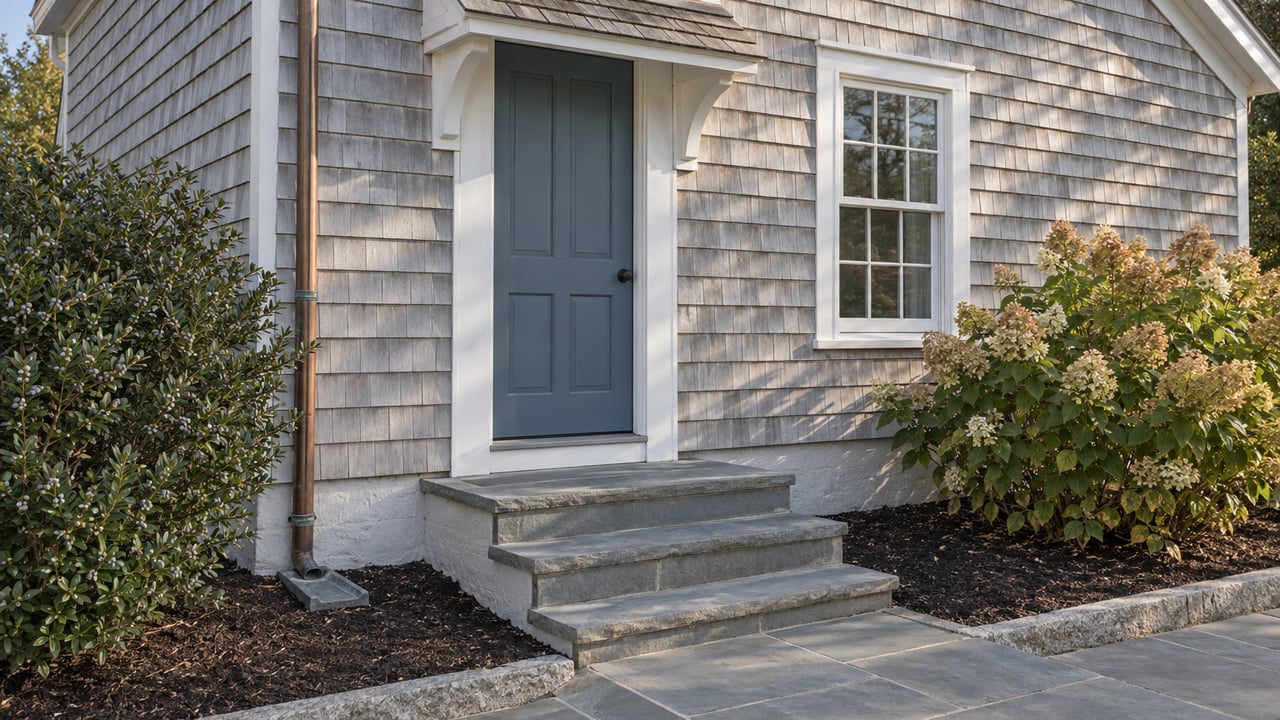
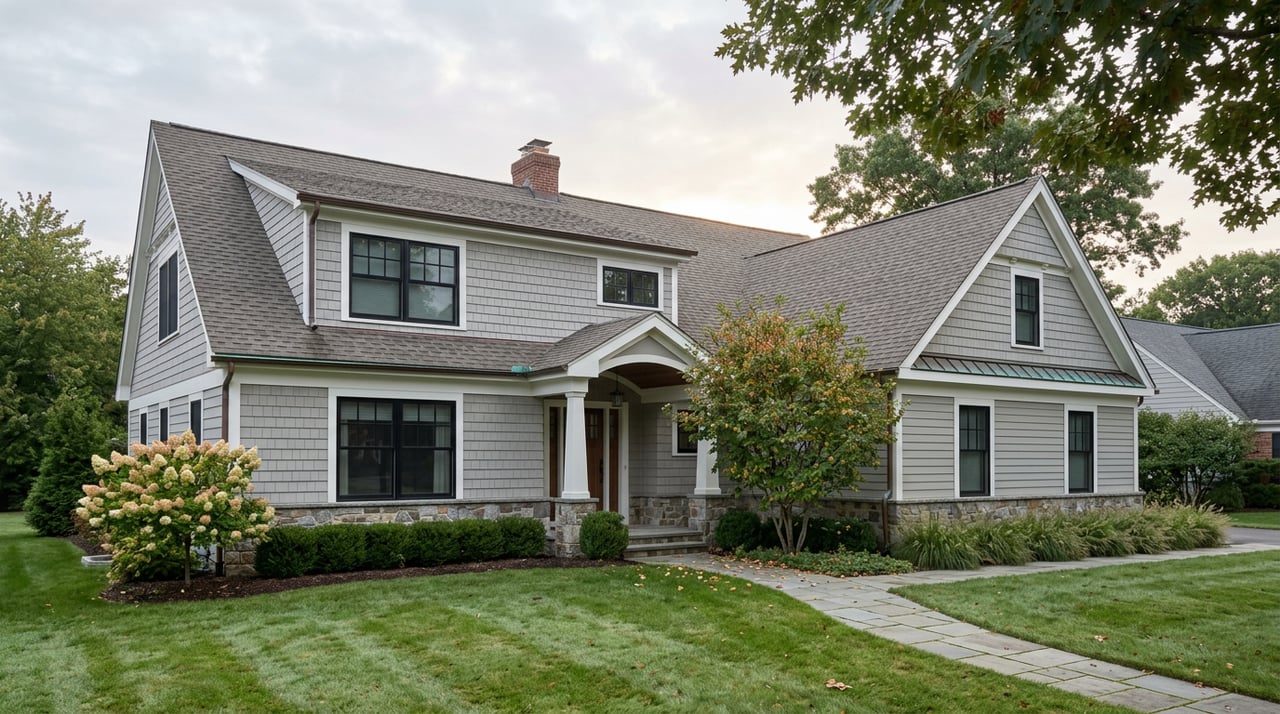
Two capes sit three doors apart on the same Lordship street, built the same decade, same square footage, same distance from Long Island Sound. One owner pays under a thousand dollars a year for flood coverage. The other, insuring an almost identical structure, gets a quote for two or three times that. Nothing about the map changed between the two lots. What changed is how FEMA now prices flood insurance, and that shift is the piece of the Lordship market that a median sale price will never show you.
Lordship sits on what was originally an island, filled in and connected to the rest of Stratford by only two roads, bounded to the west by the Great Meadows Salt Marsh and reaching east toward Stratford Point, where a lighthouse still marks the entrance to the Housatonic River. The Lordship Improvement Association, a nonprofit land trust, has spent decades stewarding roughly ten acres of shoreline known as the Lordship Bluffs and Russian Beach for residents to use. It is the kind of hyperlocal civic infrastructure that shapes a coastal neighborhood without ever showing up in a listing description.
That infrastructure has also had to grapple with what happens when a structure built directly on the beach outlives its usefulness. According to the CT Post, a dilapidated cottage on Shoreline Drive, built in 1923, was declared uninhabitable by local health officials in 2018 after decades of storm damage, and the Lordship Improvement Association later pointed to a 1947 agreement it says requires beachfront units on that road to come down once they're damaged or vacated rather than be rebuilt. The town has had to weigh whether to sell the property to a private buyer or demolish it outright. That dispute is a small window into a larger truth about Lordship real estate: the exposure isn't hypothetical, and it doesn't treat every structure the same way.
For most of the National Flood Insurance Program's history, your premium was mostly a function of your flood zone and your elevation certificate. FEMA has since moved to a system called Risk Rating 2.0, which prices each individual property based on its distance to water, its elevation, its foundation type, and what it would actually cost to rebuild it, rather than assigning one price to everyone inside the same mapped zone. FEMA's own materials describe this as a move toward pricing that reflects each structure rather than the flood zone label on a map.
That is the mechanism behind the two capes on the same Lordship street. A home with a newer foundation, better elevation data, or a lower rebuild-cost estimate can land a meaningfully lower quote than its neighbor even though both sit on the same flood-exposed peninsula. Neither number appears anywhere on a listing sheet. A buyer touring Lordship homes back to back has no way to know, from the outside, which one is quietly carrying the more expensive policy.
Stratford participates in FEMA's Community Rating System, a voluntary program that rewards towns for flood mitigation work with a discount on flood insurance premiums. According to Fludzone, Stratford holds a Class 8 rating, which had historically meant a 10 percent discount for policies inside the mapped Special Flood Hazard Area and 5 percent for policies outside it.
Under Risk Rating 2.0, that distinction has quietly changed. FEMA now applies the Community Rating System discount uniformly across every policy in a participating town, regardless of whether the specific structure sits inside or outside the mapped hazard boundary. In practical terms, a Lordship buyer looking at a house just outside the drawn flood line doesn't get to assume the flood conversation is over. The zone label on the map matters less than it used to. The building itself is what gets priced.
Fairfield County's average NFIP premium runs around $1,472 a year, but only about 13 percent of households in the county carry a policy at all, even though the region carries elevated flood risk. Connecticut homeowners more broadly tend to see NFIP premiums somewhere between $1,400 and $1,800 annually, while the private flood insurance market, where carriers like Neptune and Lloyd's of London have been expanding in Connecticut, has produced a median all-in premium closer to $869 statewide based on quotes gathered through August 2026.
None of those figures show up next to the sale price on a portal listing. A buyer comparing a Lordship waterfront home to an inland Stratford home off the peninsula is really comparing two different long-term cost structures, one of which includes an insurance bill that can climb by as much as 18 percent a year until it reaches its full calculated risk price, a cap FEMA has built into the program specifically because so many older coastal policies were historically priced below what the agency now considers their true risk.
Lordship's own sales data shows how thin this market really is. In February 2026, homes in Lordship sold for a median price of $536,000, up nearly 12 percent from a year earlier, but on only four closed sales that month, down from eight the prior year. A separate read of the trailing twelve months through September 2025 put Lordship's median closer to $560,000 to $570,000, with sale prices across the neighborhood ranging from roughly $465,000 to $3.3 million.
Stratford as a whole is a much larger, steadier pool by comparison. The town's median list price in September 2026 sat at $489,000, and Zillow's broader home value estimate for Stratford was $462,162 as of July 2026, up 4.5 percent year over year. When a neighborhood the size of Lordship only produces four to eight closings in a typical month, a single high-end waterfront sale or a single distressed sale can swing the median by tens of thousands of dollars without reflecting any real shift in what the neighborhood is worth. Reading Lordship's month-to-month median as a trend line is reading noise as signal.
Before listing, pull your policy's declarations page and look at the gap between your current premium and FEMA's calculated full-risk number for your property. If that gap is wide, buyers doing their own homework will find it, and being able to explain it upfront, rather than leaving a buyer to discover it during their own quote request, keeps the conversation on your terms. FEMA also allows a flood policy to be assigned to a new owner at closing, so if your premium is well below full-risk pricing, that assignable policy is a genuine value you can offer a buyer rather than something that simply disappears at the closing table.
Get an independent flood insurance quote early in your due diligence period, not after your contingencies expire. Ask directly whether the seller's existing policy is assignable, since assuming a legacy rate can mean meaningfully lower carrying costs than starting a new policy from scratch under current Risk Rating 2.0 pricing. And don't assume that a home sitting just outside the mapped Special Flood Hazard Area is exempt from this conversation. Under the current system, the Community Rating System discount now applies townwide, and your premium is driven by your specific structure, not by which side of a line on a FEMA map your foundation happens to sit on.
Does every flood insurance policy in Lordship get more expensive every year? Only policies priced below their FEMA-calculated full-risk rate see automatic annual increases, capped at 18 percent a year until they reach that number. A policy already priced at full risk won't see that same forced climb.
Can I really keep the seller's flood insurance rate after I buy their house? Yes. FEMA allows policyholders to assign their existing flood insurance policy, including its rate and any accumulated discount, to a new owner when a property changes hands, rather than requiring the buyer to start over at current pricing.
If a Lordship home is outside the mapped flood zone, do I still need to worry about this? The Community Rating System discount that Stratford earns now applies uniformly across the town regardless of whether a specific structure sits inside or outside the mapped Special Flood Hazard Area, and your actual premium is calculated from your building's own elevation, foundation, and rebuild cost rather than the zone line alone.
Buying or selling on a peninsula like Lordship means dealing with numbers that don't show up in a portal search. If you want a second opinion on what a specific address actually carries in flood insurance exposure before you write an offer or set a list price, Joe Paul has spent enough years working Stratford's waterfront to know which questions to ask before the inspection period runs out. Let's Connect.
This article is general information, not legal, tax or financial advice. Consult a qualified professional about your situation.
Stay up to date on the latest real estate trends.
It will give me great pleasure to serve all your real estate needs, and I look forward to working for you. You’ll find me easy to work with and a good listener who keeps you, the client, well-informed.